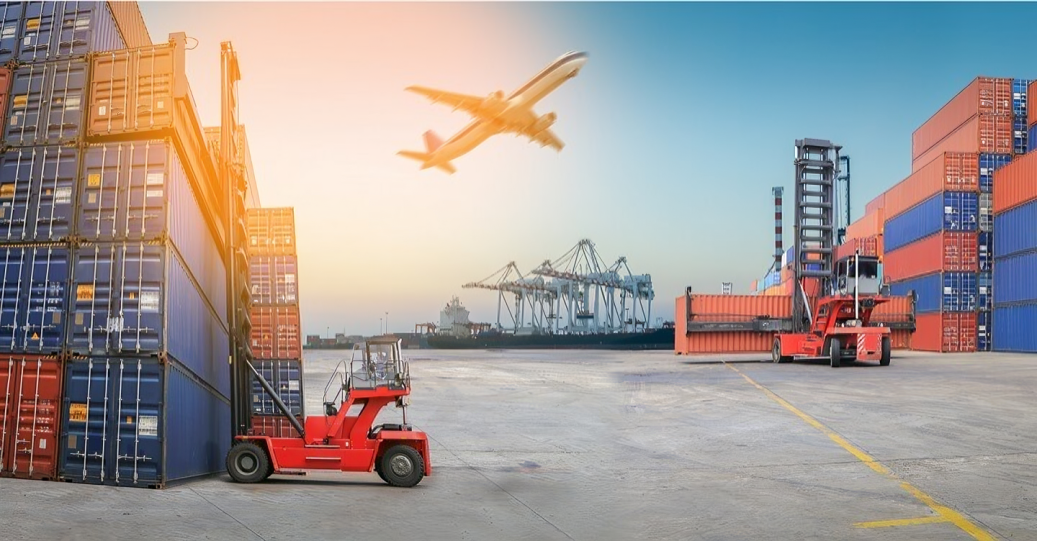
The world of freight forwarding is continuously evolving, driven by global economic shifts, technological advancements, and changes in consumer behavior. This dynamic industry faces unique challenges and opportunities as it navigates a rapidly transforming environment.
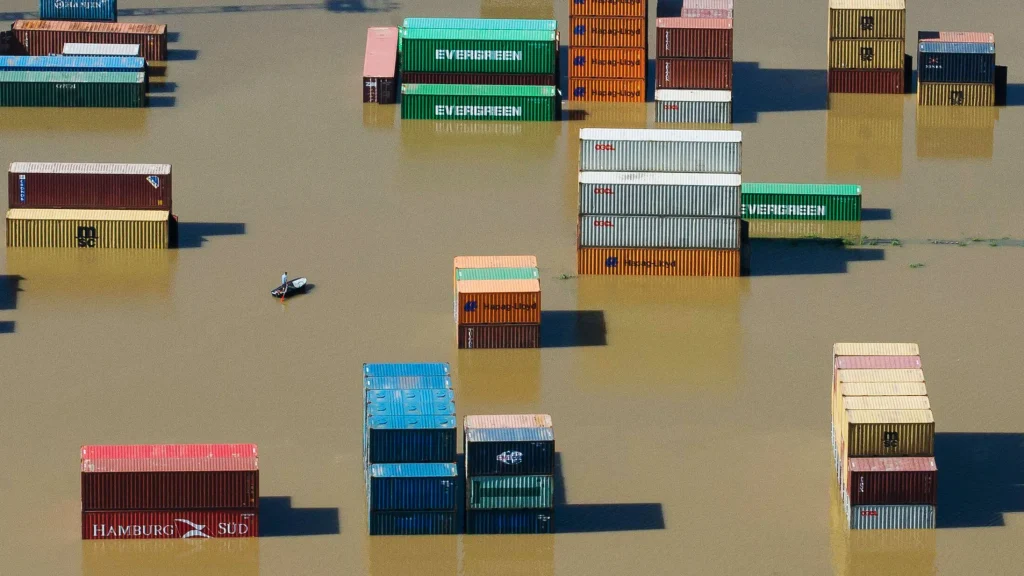
Natural disasters like droughts, hurricanes, and wildfires are occurring more frequently, causing major disruptions to global supply chains. In 2023, for instance, low water levels affected key transport vessels like the Panama Canal, the Yangtze River, and Europe’s Rhine River.
Geopolitical tensions and conflicts further complicate the situation, requiring strategic flexibility. Agility, adaptability, and transparency are needed to effectively respond to and mitigate disruptions. The Economist Intelligence Unit highlights a growing trend of supply chain investments focused on minimizing climate and political risks, reinforcing the importance of proactive solutions.
Furthermore, sustainability is a critical focus for the logistics sector in the upcoming years as businesses commit to reducing their environmental footprint. The International Maritime Organization is expected to tighten greenhouse gas emission standards for shipping, aligning with broader industry goals for decarbonization.
Research indicates that nearly half of CEOs now view supply chain sustainability as integral to their corporate strategies. However, questions remain about whether businesses and consumers will support the added costs of sustainable logistics. Freight forwarders are likely to prioritize partnerships with carriers and agents that align with their sustainability objectives, ensuring alignment with market expectations.
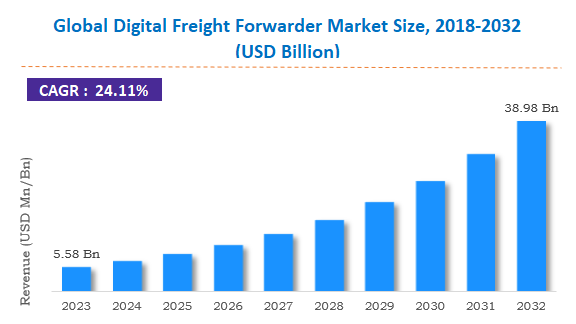
Additionally, digitalization is revolutionizing freight forwarding, driven by customer demands for greater visibility and the competitive pressure from digital-first companies. Traditional freight forwarders are investing in advanced technology solutions to improve user experience and operational efficiency.
Source: Medium
Digital tools are critical for proactive crisis management, informed decision-making, and sustainable practices within the industry. While digital transformation requires substantial investment, it’s increasingly considered a fundamental necessity rather than an optional luxury. By 2030, the industry aims for full digitalization of information exchange, leading to nearly faultless shipping processes with minimal human involvement.
While advancements in automation and smart software promise unprecedented efficiency, exceptions and disruptions in freight operations remain inevitable. Port strikes, natural disasters, and unforeseen technical issues will continue to challenge automated systems. Customer service and the ability to manage these exceptions will be key differentiators for freight forwarders in the long run.
Investments in systems that predict and mitigate problems before they escalate will provide a competitive edge. Larger freight forwarders, with their expansive networks and ability to distribute digitalization costs, are better positioned to navigate these complexities effectively. The next decade will bring increased complexity to transportation, driven by geopolitical instability and the growing impact of climate change. Freight forwarders will need to adapt to stricter environmental regulations, particularly in sea freight, which has faced scrutiny for its high levels of greenhouse gas emissions. Companies will be required to provide detailed emissions reports, with regulatory requirements expected to tighten globally.
Freight forwarding is at the crossroads of change, driven by technological innovation, environmental imperatives, and market dynamics. To remain competitive in the upcoming years, companies must invest in digitalization, sustainability, and operational flexibility. While automation and advanced technologies will redefine the industry, human expertise and exceptional customer service will remain vital for navigating the inevitable complexities of global logistics. By adopting these trends, freight forwarders can secure long-term success in the increasingly interconnected and demanding industry.