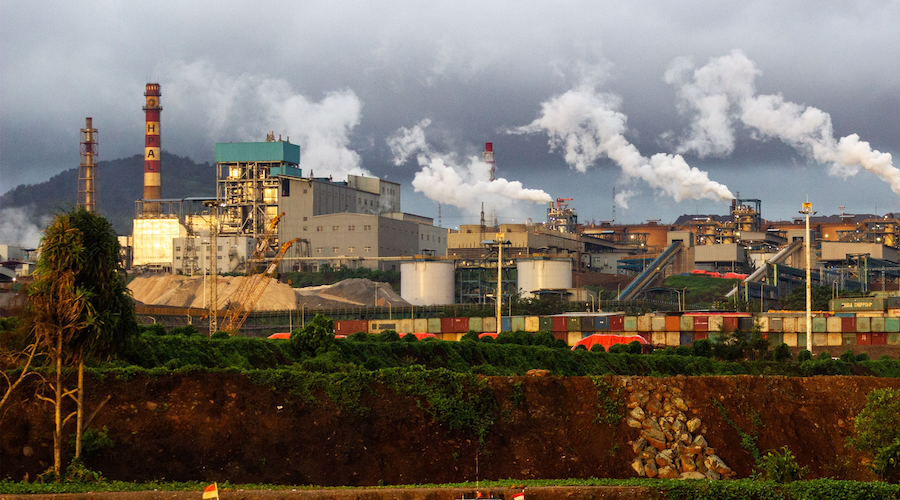
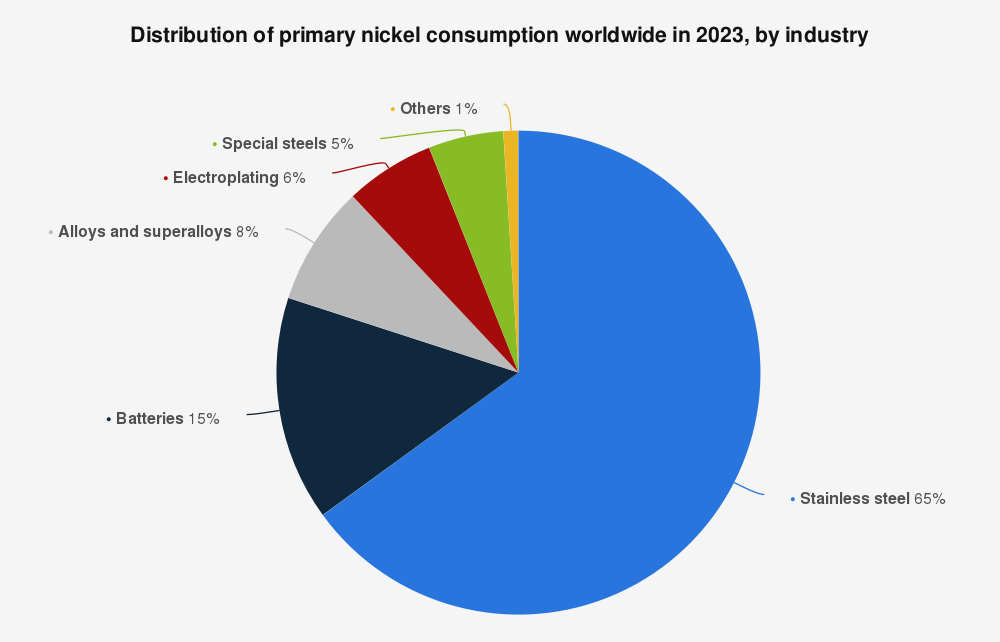
Indonesia is one of the dominant forces in the global nickel market, significantly influencing industries such as electric vehicle (EV) batteries and stainless steel production. Nickel is a crucial component in lithium-ion batteries, enhancing energy density and storage capacity. This allows EVs to achieve longer ranges on a single charge, making nickel-rich batteries highly sought after in the automotive sector. Approximately above 60% of the world’s nickel production is consumed by the stainless steel sector. Nickel imparts strength and corrosion resistance to stainless steel, making it essential in construction, household appliances, and medical equipment.
Source: Statista
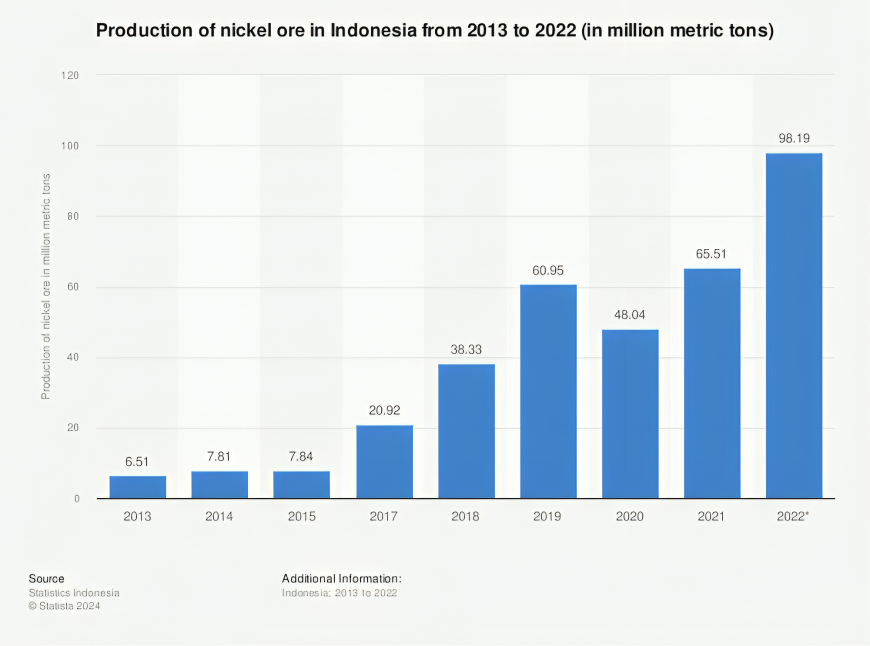
Indonesia’s ascent in the nickel market is largely attributed to strategic government policies. Implemented in 2014, the Indonesian government aimed to encourage domestic processing by banning the export of raw nickel ore. This move attracted substantial foreign investment in local smelting and refining facilities, transforming Indonesia into a leading nickel producer. The government has promoted the development of industrial parks and processing facilities to boost value-added production and integrate into global supply chains.
Source: InCorp Global
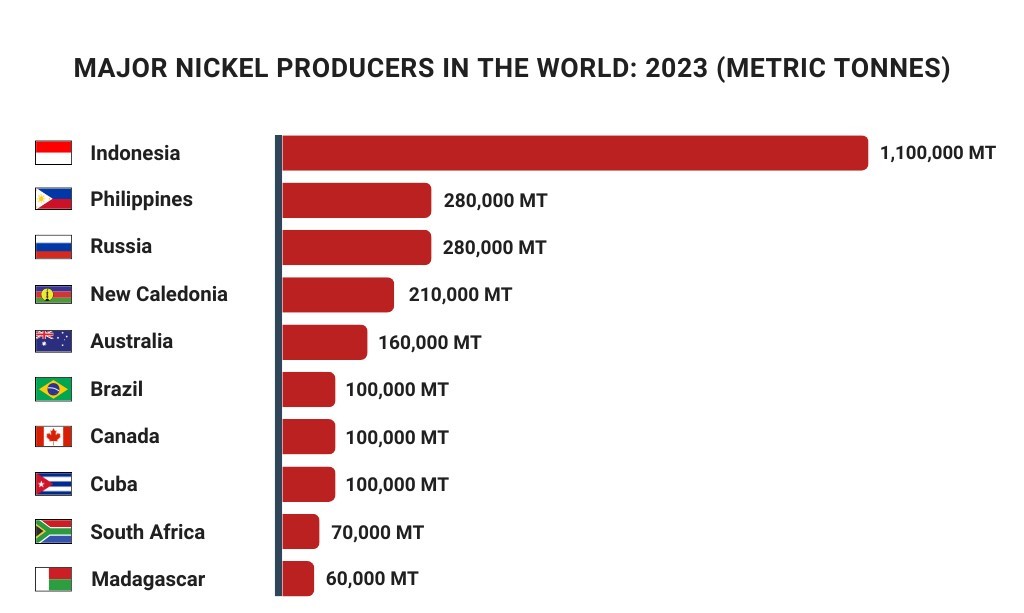
These policies have significantly reshaped global nickel supply chains. As of 2022, Indonesia contributed about half of the world’s nickel output, establishing itself as a primary player in the market. However, despite its dominance, Indonesia’s nickel industry faces several challenges rapid industrialization has raised environmental issues, including deforestation and pollution, leading to criticism from environmental groups.Furthermore, while nickel mining has spurred economic growth, it has also contributed to income inequality, particularly in rural areas where mining operations are located.
Source: Statista
The evolving field of Indonesia’s nickel industry presents both opportunities and challenges for businesses. The government’s focus on downstream processing offers avenues for investment in smelting, refining, and battery production facilities. Businesses involved in EV manufacturing and stainless steel production can benefit from integrating Indonesian nickel into their supply chains, potentially reducing costs due to the country’s abundant resources. In addition, companies that prioritize sustainable practices have the opportunity to collaborate with the Indonesian government to implement environmentally friendly mining and processing techniques, addressing global environmental concerns.
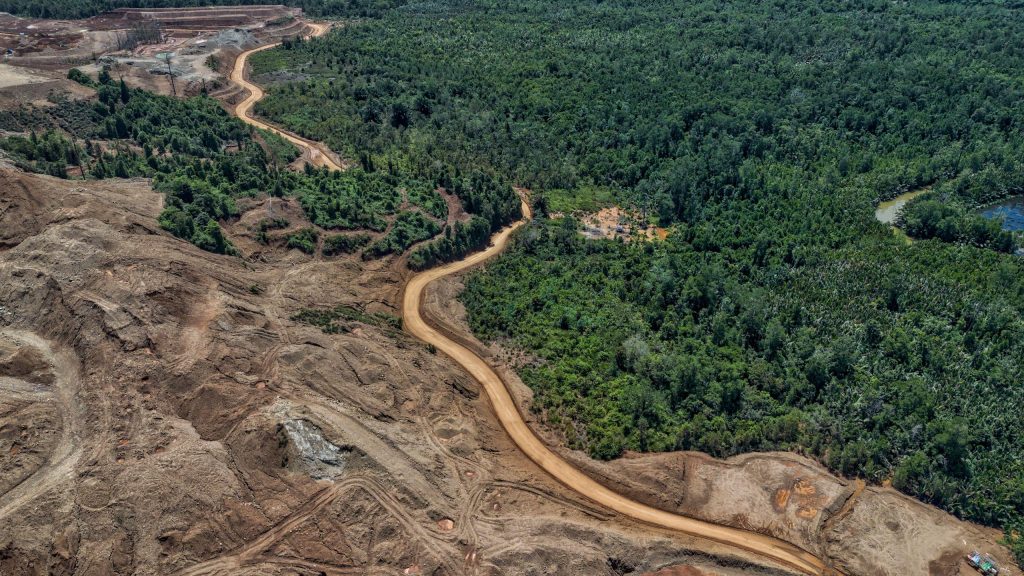
Source: Greeners
Looking ahead to 2025, Indonesia’s government has set ambitious objectives to further expand its exports. By increasing domestic processing capabilities and refining raw materials into high-value products, Indonesia aims to enhance its competitive edge in global markets. The focus is on developing a fully integrated supply chain that includes mining, refining, and the production of nickel-based products. To achieve these export growth objectives, efficient and reliable logistics solutions are essential. Translindo, as a trusted freight forwarder, plays a crucial role in ensuring the seamless transportation of nickel and its processed products to international markets.
With expertise in handling bulk shipments and specialized logistics for industrial commodities, Translindo can provide end-to-end supply chain solutions, optimizing transportation routes, and ensuring compliance with international shipping regulations. Furthermore, as environmental concerns continue to shape global trade policies, sustainable logistics practices are becoming increasingly important. Translindo is committed to implementing eco-friendly shipping solutions, reducing carbon footprints, and working closely with industry stakeholders to promote responsible supply chain practices.